Startup Formation Guide
India is home to one of the fastest-growing startup ecosystems in the world, supported by initiatives like Startup India. While the process of starting a business has become easier, many entrepreneurs still struggle with the registration process due to lack of awareness or improper guidance.
Avoiding common mistakes at the beginning can save you time, money, and legal trouble in the long run.
Why Proper Startup Registration Matters
Registering your startup correctly is crucial because it:
1. Provides legal identity to your business, making it officially recognized by authorities.
2. Builds trust and credibility among customers, investors, and business partners.
3. Enables access to funding, investors, loans, and startup schemes in India.
4. Helps you get tax benefits while ensuring compliance with applicable laws.
5. Protects your brand name, logo, and intellectual property from unauthorized use.
6. Creates a strong foundation for business growth, scalability, and operations.
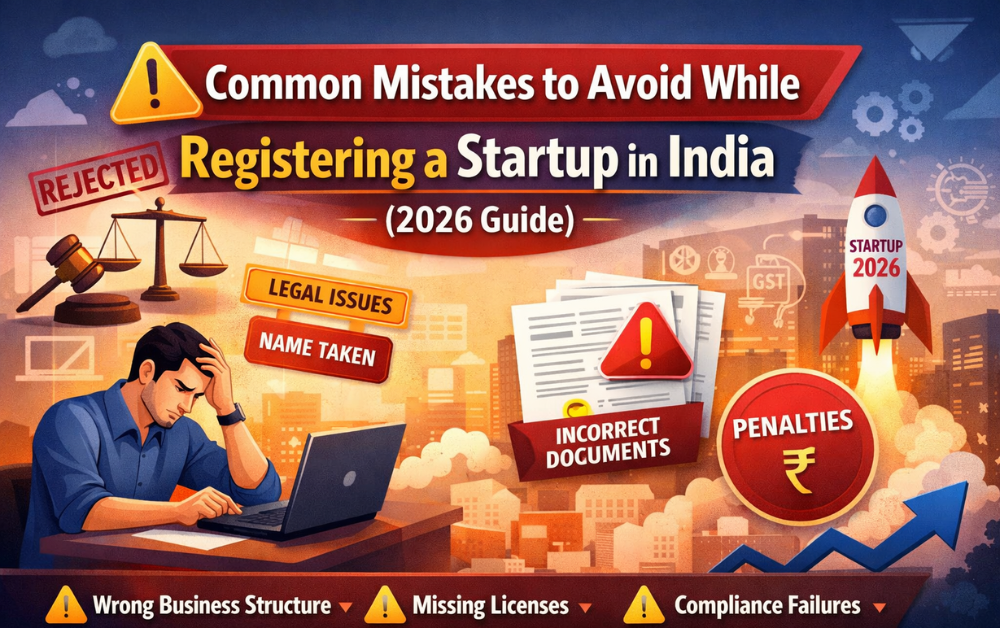
Common Mistakes to Avoid While Registering a Startup
1. Choosing the Wrong Business Structure
Selecting the wrong business structure can impact taxation, liability, and compliance. Options include Sole Proprietorship, Partnership, LLP, or Private Limited Company. For scalability and funding, a Private Limited Company is usually preferred as it provides legal protection and investor-friendly benefits.
2. Ignoring Name Availability & Trademark Issues
Choosing a business name without checking availability can cause legal issues. A name already registered with the MCA or trademark can block registration. Always verify on the MCA portal and consider registering a trademark via the Controller General of Patents to protect your brand.
3. Submitting Incomplete Documentation
Incomplete or incorrect documents lead to delays or rejection. Common issues include wrong PAN, mismatched address proof, or missing digital signatures. Double-checking documents before submission ensures smooth incorporation and avoids unnecessary complications during registration.
4. Not Obtaining Required Licenses
Many startups assume registration is enough, but industry-specific licenses are mandatory. These may include GST registration, Shop & Establishment License, or FSSAI for food businesses. Identifying required licenses early ensures legal compliance and avoids penalties.
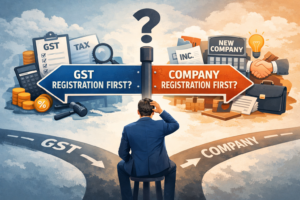
5. Delaying GST Registration
GST registration is mandatory if turnover exceeds the threshold or for interstate operations. Delaying registration can lead to penalties and loss of input tax credit. Register early via the GST Network to ensure compliance and smooth financial operations.
6. Ignoring Ongoing Compliance Requirements
Startups must comply with annual filings, tax returns, and ROC requirements. Ignoring compliance risks fines or legal issues. Regularly tracking deadlines ensures legal security and builds credibility with investors and authorities.
7. Not Utilizing Startup India Benefits
Many startups skip registering under Startup India, missing tax exemptions, funding support, and easier compliance. Early registration provides credibility, access to government schemes, and growth opportunities in the Indian startup ecosystem.
8. Failing to Draft Proper Agreements
Lack of co-founder or shareholder agreements can cause ownership conflicts and disputes. Proper agreements define roles, responsibilities, and equity, protecting the startup from internal conflicts and ensuring smooth operations.
9. Mixing Personal and Business Finances
Using personal accounts for business creates accounting confusion and complicates taxes. Opening a dedicated business account ensures clear financial tracking, compliance, and credibility with investors and authorities.
10. Underestimating Professional Help
Trying to handle registration, taxation, and compliance alone increases errors. Hiring professionals saves time, ensures accuracy, and keeps your startup legally compliant, allowing founders to focus on growth.
Startup Registration Process in India
Choose Business Structure – Pvt Ltd, LLP, etc.
Apply for DSC & DIN – Digital Signature Certificate, Director Identification Number
Name Approval – Apply through MCA portal
Company Incorporation – File SPICe+ form with Ministry of Corporate Affairs
PAN & TAN – Automatically generated after incorporation
Open Bank Account
GST Registration – Via Goods and Services Tax Network
Startup India Registration (Optional) – Register on Startup India portal
A Private Limited Company is ideal for startups planning to scale and raise funding. It offers limited liability, better credibility, and easier investment opportunities compared to LLPs or proprietorships, making it suitable for long-term business growth.
GST registration is mandatory if turnover exceeds the limit or for interstate business. It ensures legal compliance and allows input tax credit. Many startups register early to maintain transparency and build trust with clients and vendors.
Startup registration usually takes 7–15 working days, depending on documentation and approvals. The process includes DSC, name approval, and incorporation. Proper documentation helps avoid delays and ensures smooth registration.
Yes, you can register a startup yourself using government portals. However, due to legal and compliance complexities, professional help is recommended to avoid errors, delays, and ensure proper registration.
Registering under Startup India offers tax benefits, easier compliance, funding support, and government recognition. It helps startups grow faster and gain credibility in the competitive market.
Mistakes during registration can lead to rejection, penalties, and delays. Incorrect documents or details may require re-filing, increasing time and cost. Proper verification or expert help ensures smooth registration.
Trademark registration is not mandatory but highly recommended. It protects your brand name and logo from misuse, provides legal rights, and helps build credibility, making it a valuable asset for long-term growth.